




EasyInherit is a unique FinTech startup that is digitizing inheritance claims and unlocking wealth. Their platform is built on India Stack and is leveraging eGov & Digital India facilities to enhance ease of living for citizens.
EasyInherit is the Indian inheritance platform for wills, succession, property transfer, death claims, and dispute resolution. One platform. Zero confusion. Built for families and NRIs.


Property, savings, investments, insurance and family businesses are quietly moving between generations, yet inheritance preparedness remains the most overlooked part of Indian financial planning.
From planning a will to claiming an insurance policy, transferring an ancestral property to mediating a family dispute, handled with structure, sensitivity and modern coordination.
Mutation, ownership changes, joint property and ancestral land — organised and coordinated across states so the title reaches the right hands without confusion.
Guidance on when it's needed, which assets require it, and how to navigate authorities.
Structure your intentions, identify key assets and reduce future confusion for your family.
Demystified jurisdictions, paperwork and timelines.
Banks, insurance, mutual funds, pension, coordinated end-to-end.
Heirship, eligibility and entitlement, structured, ready, accepted.
Multi-party coordination, communication and durable settlements.
Resolution-first support that protects relationships and time.
Structured mediation outside courtrooms. In partnership with Sama.
Four structured stages designed to replace decades of fragmented, reactive inheritance handling with one accountable, modern workflow.
We map your family situation: assets, heirs, nominations, jurisdiction and existing documents.
Draft, file and verify what's missing. Wills, certificates, asset register, heir documentation.
Manage transfers, claims and institutional follow-ups with one accountable team across banks, insurers, registrars.
Where conflict arises, lean into ODR and structured mediation, protecting both relationships and time.
Distance, time zones and procedural unfamiliarity turn even simple inheritance matters into long, uncertain projects. EasyInherit closes that gap by coordinating ageing parents' affairs, property inheritance, succession documentation and asset transfers remotely.
From the major metros to ancestral properties in smaller towns, we coordinate across state-specific procedures, institutions and language.
"What should ideally be a structured transition often becomes a confusing and stressful administrative experience. EasyInherit was built to change that."
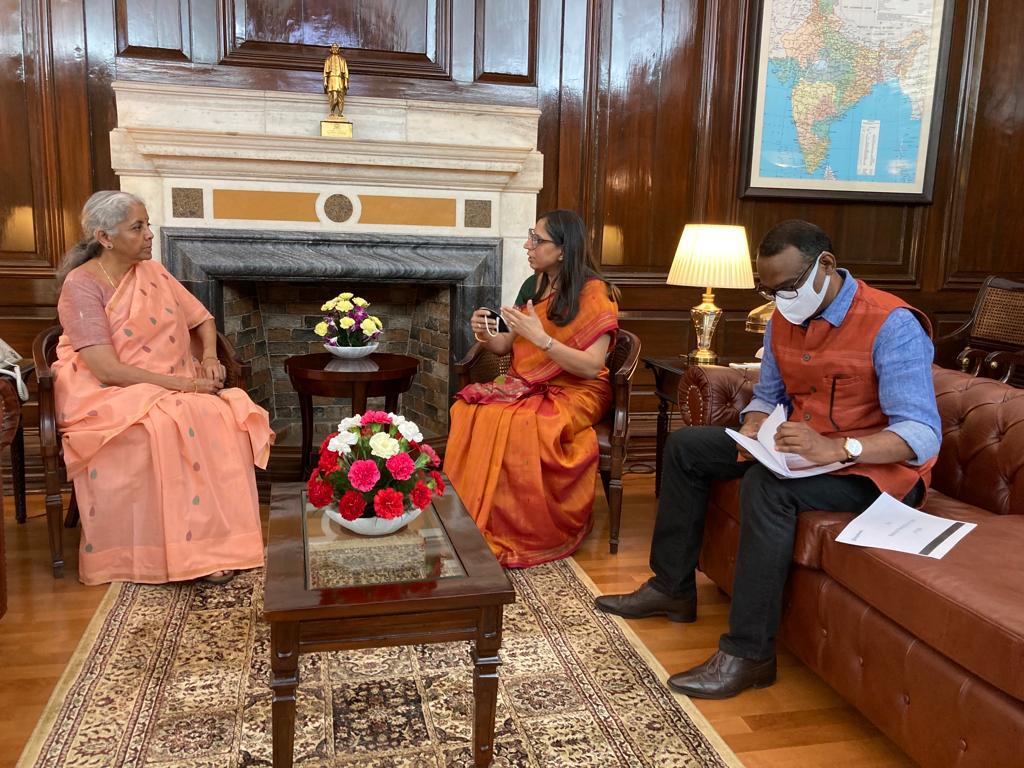
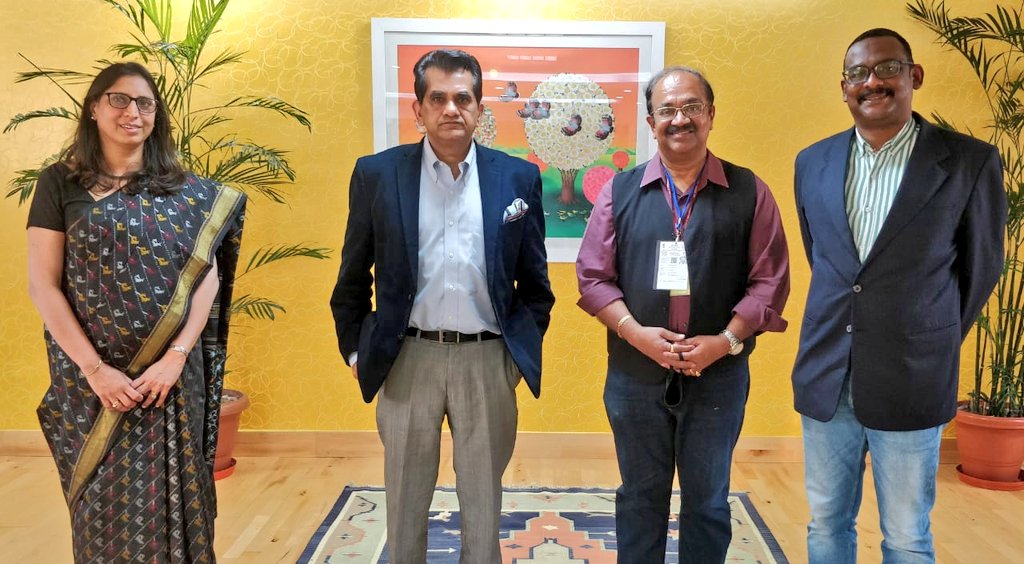
EasyInherit has presented its vision for simplifying inheritance to the policymakers shaping India's digital and financial future.

EasyInherit is a unique FinTech startup that is digitizing inheritance claims and unlocking wealth. Their platform is built on India Stack and is leveraging eGov & Digital India facilities to enhance ease of living for citizens.

EasyInherit presented a paper to the Hon'ble Finance Minister on simplifying inheritance and asset transmission across India — covering succession, transmission and the broader avenues of inheritance modernisation.
Stories, explainers and frameworks on wills, succession, NRI inheritance, property transfer and rights — written for Indian families.
An NRI returns home to face his mother's passing — and discovers he has just seven days to untangle her inheritance.
If you're named executor, you hold the key to someone's deepest intentions. A practical 6-step guide to fulfilling that duty with care.
Inheritance rights of stepchildren, adopted, illegitimate, live-in couples' children and minors — a complete legal guide.
Plain answers to the questions we hear most often.
Record and create an asset portfolio and update it regularly. Write a Will to ensure proper allotment, disposal and distribution of your assets to your beneficiaries after death.
Mutation is the process of transfer of the name of ownership of a property in the register of the municipal authority. When you inherit a property from someone (mostly from deceased parents), the title has to be transferred to your name for the records. This is required for payment of property taxes and transfer/application for utility connections in your name.
An Asset Portfolio is a repository where you keep a record of all your tangible and intangible assets. It contains details of your Bank Accounts, Securities, Bonds, Movable and Immovable properties, digital assets etc. Maintaining an Asset Portfolio helps you keep track of your assets and manage them effectively.
A property is usually transferred through inheritance to avoid taxation complications. However, if you want to give away a gifted property that is in your name (the name has already been changed through mutation), then it is considered your owned property and can be willed along with anything else that you possess in your name. Advisable to consult an inheritance specialist.
Yes, a married daughter can inherit her father's property in India. According to the Hindu Succession (Amendment) Act, 2005, a daughter (married or not) is considered a Class I heir and has an equal claim on her father's property along with her male siblings.
Any inherited property must be transmitted in the name of the person who inherited it from the name of the previous owner. This process has to be registered at the municipal corporation and a registration fee is required.
A Will/Testament is a legal declaration made in writing containing your final wishes, distribution, allotment, disposal and distribution of your assets. It can also contain detailed instructions of the manner in which your assets must be operated after your death as per your wish.
You can write a will for any property (a residential flat and/or a commercial unit and/or a parcel of land) if the said property is in your name. The only cost involved in this process is the lawyer's fee for drafting a legally sound will, which can be relied upon by the beneficiaries under the will. This can vary according to the complexity of the will and the lawyer's experience.
To open an NRI or NRO account, provide: a valid passport, PAN card or Form 60 (if PAN is unavailable), proof of NRI status (visa, work permit, or Overseas Resident Card), address proof, a photograph, and an initial payment cheque or draft. For selling inherited property or liquidating investments, check the tax implications. Consulting an inheritance expert is advised.
In India, any inherited asset, movable or immovable, is not taxable. The Inheritance Tax was abolished with effect from 1985. However, if the new owner of the said property earns an income from the inherited asset, then that income will be taxable under the Income Tax Act, 1961.
If undivided, it can be claimed by descendants up to four generations. If divided, it can be willed to one child; otherwise, all children inherit equally.
Yes, it can be challenged. After filing, the court sends notices to legal heirs and publishes a notice in the newspaper. There's a 45-day window for objections. If there are no objections, the certificate is issued. If objections arise, the court reviews them before proceeding.
Whether you're drafting your first will, organising documents, claiming an asset, or navigating an inheritance from across the world, our team will help you take the next step with clarity.